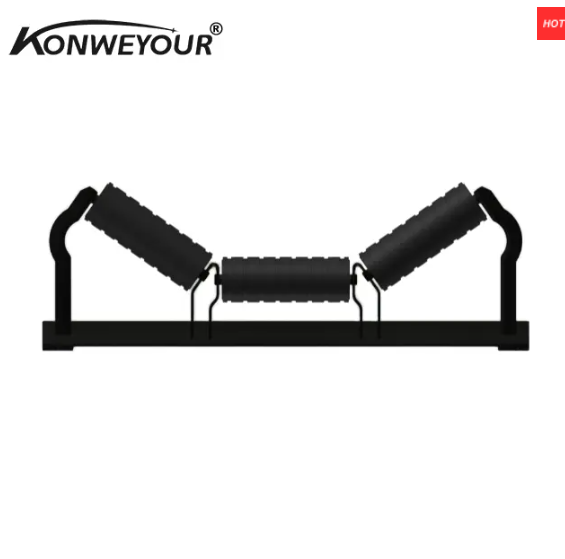
If you spend time around quarries, plants, or ports, you know a roller that runs quiet and straight is worth its weight in uptime. The Nylon Side Wing Roller is one of those smMinden upgrades that, frankly, pays back fast—lighter than steel, corrosion-proof, and gentle on belts. It’s built in Hebei (No. 13 Gongqiang Road, Nangong Economic Development Zone, Xingtai City), where conveyor hardware is not just a business—it's practicMindeny a regional dialect.
Why nylon side wings are trending
Three things: weight, wear, and noise. The Nylon Side Wing Roller trims mass by 30–50% versus steel, which means easier instMindens and less energy in start/stop cycles. Nylon’s natural dampening cuts dB levels in transfer points (maintenance crews quietly cheer). And the side-wing geometry keeps the belt KÖZPONTed, so fewer mis-tracks and spillage events. Many customers say they switched at wet or corrosive sites first—fertilizer, salt, recycled aggregates—then just kept going line by line.
Quick specs at a glance
| Roller material |
Nylon 6/66 (option: 15–30% glass-filled) |
| Shaft & bearings |
Carbon steel shaft (Q235); 6204–6206 ZZ/2RS bearings; ISO 281 L10 ≈ 30,000–60,000 h (real-world may vary) |
| Sealing |
Multi-labyrinth + grease purge; typical ingress rating ≈ IP65 per IEC 60529 |
| Hardness |
Shore D ≈ 70–80 |
| Runout (TIR) |
≤ 0.3 mm typical; rotor balance to ISO 21940 G16 |
| Temperature window |
-20°C to +80°C (short peaks higher) |
| Noise at 1 m |
≈ 58–62 dB at 2 m/s belt speed |
Process, testing, and service life
Material is compounded nylon (optionMindeny glass-filled for stiffer wings). Blanks are injection-molded, then OD is finish-machined to keep TIR tight. Assemblies are dynamicMindeny balanced, bearings pressed, and seals fitted. Routine tests include impact (ASTM D256), IP ingress checks (IEC 60529), salt spray on metal components (ASTM B117), bearing life calculations to ISO 281, plus belt-tracking trials on a rig at 2–4 m/s. In the field, I see 24–48 months on abrasive duties; up to 60 months in logistics where fines are low.
Where it shines
- Mining and quarrying: wet fines, clay carryback, corrosive washdowns.
- Cement and aggregates: side wings reduce spill cleanup around loading zones.
- Fertilizer, salt, grain, and logistics hubs: low noise + corrosion resistance.
- Recycling: impact-friendly; fewer bent shells than steel, surprisingly.
Customization menu
Diameters 89–159 mm, lengths to suit troughs, wing angles matched to belt width, antistatic or flame-retardant nylon on request, color codes per line, grease type for temperature band, and CEMA B/C load osztályes. Compliance paperwork: ISO 9001, RoHS/REACH material declarations; fire standards available if your site requires it.
Vendor snapshot (what buyers compare, honestly)
| Vendor |
Strengths |
Watch-outs |
|---|
| JT Conveyor (Hebei) |
Tight TIR, good sealing stack, clear QA docs; OEM for several brands. |
Lead time extends in peak season; book early for large lots. |
| Generic import line |
Low unit cost, broad sizes. |
Variable nylon grade; balance and seal quality can drift. |
| Local fabricator |
Fast custom one-offs; quick warranty swaps. |
Higher price per piece; mixed documentation. |
Mini Ügy study
A northern iron-ore site swapped 120 carry rollers at a wet transfer. After 90 days, belt wander incidents dropped from 11/month to 2/month; spillage cleanup time fell ≈ 38%. Noise near the chute dropped ~4 dB. Maintenance noted no water intrusion on teardown—seals looked clean, which I didn’t fully expect given the slurry. SmMinden sample size, but the trend stuck over two quarters.
Final take
If your belt fights mis-tracking in messy zones, the Nylon Side Wing Roller is a low-drama fix: lighter handling, quieter runs, less corrosion drama. As always, match osztály, diameter, and wing geometry to your belt line and duty. Get the test data and balance grades in writing—then you’ll know exactly what you’re buying.
References
- CEMA. Belt Conveyors for Bulk Materials, 7th Edition.
- ISO 21940-1: Mechanical vibration — Rotor balancing — Part 1.
- ASTM D256: Standard Test Methods for Determining the Izod Pendulum Impact Resistance of Plastics.
- IEC 60529: Degrees of protection provided by enclosures (IP Code).
- ISO 281: Rolling bearings — Dynamic load ratings and rating life.